7 Essential Non-Toxic Materials for Children's Toys: A Retailer's Guide to Safe Play
Prologue: The Heartbeat of Conscious Crafting
Picture a sunny Saturday morning. A child sits at the kitchen table, hands covered in paint, eagerly twisting wires and gluing paper to create a masterpiece. As a parent, witnessing this burst of imagination is magical. But behind that magic lies a silent, crucial question: Are the materials in their hands truly safe? In today's fast-paced market, the shift towards conscious parenting has profoundly changed how consumers shop. They are reading labels, questioning supply chains, and demanding transparency. For B2B buyers, retailers, and educational suppliers in Europe and North America, stocking up on DIY crafts and stationery is no longer just about vibrant colors or low prices. It’s about guaranteeing peace of mind. Choosing the right materials for children's toys is the foundation of building a trustworthy brand.
In this comprehensive guide, we will explore the absolute best materials for children's toys and crafts, how to avoid hidden toxins, and how to stock your inventory for seasonal demands with uncompromising safety.
1. Why Material Selection is the Backbone of Your Business
When children craft, they explore the world through touch, and inevitably, taste. Materials that are perfectly safe for an adult's DIY project can pose serious hazards to a toddler. As a retailer or wholesale buyer, understanding global safety regulations is your first line of defense.
The European Union enforces the strict EN71 standard, which dictates flammability, toxicity, and physical properties of toys. Similarly, North America relies on the CPSIA (Consumer Product Safety Improvement Act) and ASTM F963, which heavily restrict lead, phthalates, and require rigorous third-party testing.
When you source products that inherently meet these standards through their raw material composition, you bypass costly compliance nightmares and build instant loyalty with eco-conscious consumers and institutions.
2. Top Safe Materials for Children's Toys and DIY Crafts
To help you make informed purchasing decisions, let's break down the most highly recommended, non-toxic materials that should be on your shelves right now.
2.1. Natural Solid Wood
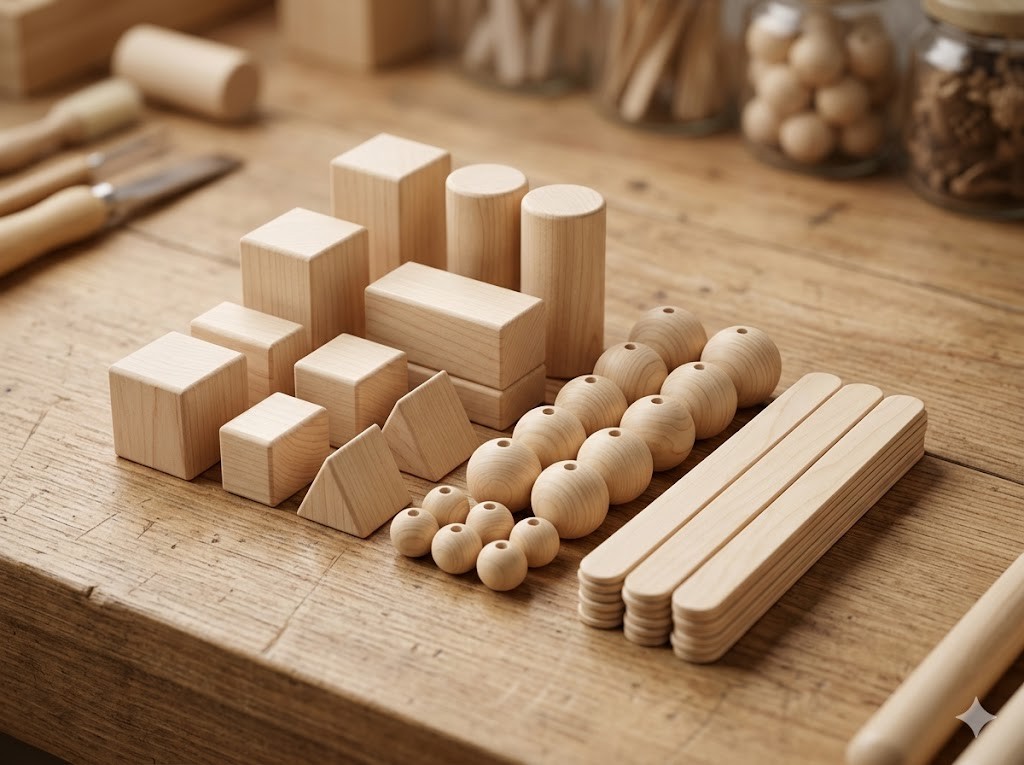
Wood is the undisputed king of classic, safe toys. It is incredibly durable, biodegradable, and naturally antibacterial. However, not all wood is created equal. Ensure your suppliers use responsibly sourced timber (like FSC-certified beech, maple, or birch) that is sanded to a splinter-free finish. Avoid pressed woods like MDF or plywood for infant toys, as the glues used to bind them can off-gas formaldehyde.
2.2. Food-Grade Silicone
A modern miracle material, 100% food-grade silicone is BPA-free, PVC-free, and phthalate-free. It is highly resistant to temperature changes and does not support the growth of fungus, mold, or bacteria. This makes it an exceptional choice for teething toys, sensory play items, and craft molds.
2.3. Organic Cotton and Natural Fibers
For plush toys, sensory boards, and textile arts, organic cotton, hemp, and natural wool are superior choices. Conventional cotton is heavily treated with pesticides, whereas organic textiles ensure that from seed to shelf, the fibers remain pure. Felt made from natural wool is also a staple for classrooms and homes alike.
2.4. Non-Toxic Paper and Washi Solutions
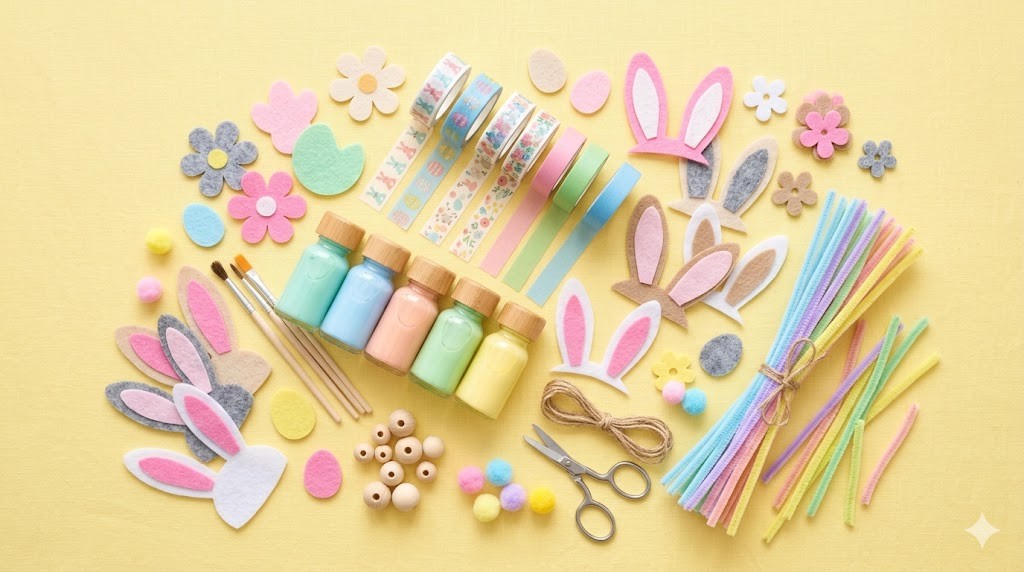
Paper is a staple in any craft room, but the inks and adhesives matter. Look for unbleached paper products and soy-based inks. A fantastic, safe addition to any child's craft kit is washi tape. Originating from Japan, true washi tape is made from natural fibers like bamboo or hemp and uses safe, mild adhesives. Washi tape crafts are incredibly popular because children can tear the tape by hand without scissors, making it a perfectly safe, low-mess activity for fine motor skill development.
2.5. Flexible and Safe Wires (Chenille Stems)
Wire-based crafts are phenomenal for 3D modeling and spatial reasoning. However, sharp edges are a concern. High-quality chenille stems, commonly known in the industry, feature securely bound, blunt-cut wire wrapped tightly in non-toxic nylon or cotton. Engaging in pipe cleaner crafts remains a staple in early childhood education because, when manufactured correctly, these materials are endlessly reusable, safe, and wildly versatile for tiny hands.
3. Materials to Strictly Avoid
Knowing what to ban from your inventory is just as important as knowing what to buy.
PVC (Polyvinyl Chloride): Often made flexible by adding phthalates, which are known endocrine disruptors.
BPA and BPS: Found in hard, clear plastics; linked to developmental issues.
Lead-Based Paints: Even trace amounts of heavy metals in surface coatings are strictly prohibited globally. Always demand water-based, non-toxic dyes from your manufacturing partners.
Loose Glitter: Traditional glitter is micro-plastic that is easily inhaled or ingested, and terrible for the environment. Opt for biodegradable cellulose glitter instead.
4. Curating Safe Materials for Seasonal Bulk Orders
As a B2B supplier, aligning your safe material sourcing with seasonal trends is where profitability meets purpose. Retailers and educational institutions plan their curriculums and inventory months in advance. Here is how safe materials translate to seasonal crafting.
Spring Sensations: Growth and Giving
Spring is dominated by bright colors and renewal. Schools and churches buy in massive bulk during this time. For instance, vbs crafts (Vacation Bible School) require hundreds of safe, easy-to-assemble kits. Materials like pre-cut foam (EVA, non-toxic grade), wooden crosses, and safe threading beads are top sellers.
Furthermore, spring is the season of giving. When kids make mother's day crafts for kindergarteners, teachers prioritize materials that don't require sharp tools or toxic glues. Soft yarns, safe finger paints, and thick cardboards are perfect. Similarly, crafts for dad's day often involve building small wooden projects or utilizing thick, safe ceramics for handprint molds. When April arrives, easter crafts demand safe, food-grade dyes for egg decorating and organic felt for bunny ear headbands.
Winter Wonders: Indoor Creativity
When the weather drops, indoor crafting spikes. Winter arts and crafts projects require engaging textures. Think natural wool for faux snow, thick yarn for weaving, and non-toxic clay.
The holiday season is the ultimate peak for DIY supplies. Families are moving away from cheap plastic baubles and looking to create memories. Supplying retailers with kits for unique christmas ornament crafts—such as blank wooden slices, safe metallic water-based paints, and natural twine—taps directly into this premium market. When families sit down to do crafts and christmas activities, they want the reassurance that the beautiful memories they are hanging on their tree are safe for the whole family to handle.
5. Material Safety Matrix for B2B Sourcing
To simplify your sourcing strategy, refer to this quick-reference table when consulting with your suppliers or planning your inventory for the upcoming quarter.
| Material Type | Best Used For | Safety Advantage | Eco-Friendliness |
| Solid Wood (FSC) | Blocks, Ornament bases, Puzzles | Non-toxic, splinter-resistant | High (if sustainable) |
| Organic Cotton | Plushies, Wearable crafts | Pesticide-free, breathable | High |
| Washi Paper/Tape | Decorating, Paper crafts | No harsh chemical adhesives | Medium-High |
Food-Grade Silicone | Molds, Teethers, Bead crafts | BPA/Phthalate free | Medium |
Chenille Stems | 3D modeling, Sensory play | Soft exterior, blunt wire | Low (Often synthetic) |
6. How to Partner with the Right Supplier
For independent brands targeting Europe and North America, your supplier is your lifeline. Don't just ask for a catalog; ask for their compliance documentation.
1. Request Recent Lab Tests: Ensure the tests are from recognized third-party labs like SGS or Intertek.
2. Sample the Materials: Do the "smell test." If a batch of DIY materials arrives smelling like harsh chemicals or strong synthetic odors, it will likely fail safety standards and alienate your customers.
3. Prioritize Sustainable Packaging: Supplying eco-friendly crafts in single-use plastic bags defeats the purpose. Look for suppliers who offer bulk items in recyclable cardboard or biodegradable bags.
7. Conclusion: Crafting a Safer Future
The materials we provide to children shape not only their immediate health but their understanding of the world. By rigorously selecting safe, non-toxic, and sustainable materials for your inventory, you are doing more than just selling DIY crafts and stationery. You are empowering parents, teachers, and retailers to foster creativity without compromise.
Whether it is stocking up on safe adhesives for delicate paper projects or sourcing premium wooden blanks for the holiday rush, the B2B businesses that prioritize safety today will be the market leaders of tomorrow.
Frequently Asked Questions (FAQ)
Q1: What makes a craft material "food-grade"?
A1: "Food-grade" means the material (usually silicone or certain plastics) is manufactured without toxic chemicals and is deemed safe enough to come into contact with food or be placed in a child's mouth without leaching harmful substances.
Q2: Are all wooden toys safe for toddlers?
A2: No. While wood itself is safe, the danger often lies in the finishes. Toys must be treated with non-toxic, water-based varnishes or natural oils (like beeswax). Furthermore, toys for children under 3 must pass the "choke tube" test to ensure no small parts can detach.
Q3: How can I ensure the materials I buy wholesale meet EU and US standards?
A3: Always ask your manufacturer for a Certificate of Compliance (CoC) and a Children’s Product Certificate (CPC) for the US market, or a Declaration of Conformity (DoC) for the EU market, backed by recent third-party laboratory testing.
Q4: What is a safe alternative to traditional liquid glue for young kids?
A4: Glue sticks made from non-toxic, plant-based starches are very safe. Additionally, utilizing materials like washi tape eliminates the need for wet adhesives entirely, making it perfect for younger age groups.
Q5: Is EVA foam safe for children's crafts?
A5: EVA (Ethylene-Vinyl Acetate) foam is generally considered a safer alternative to PVC because it does not require phthalates to be flexible. However, you should specifically source formamide-free EVA foam, as lower-quality foams can off-gas this chemical.